Hedeskov Research Garden
Status: in development
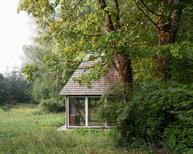
Hedeskov Research Garden is an experimental site for testing integrated vegetable cultivation and circular resource use.
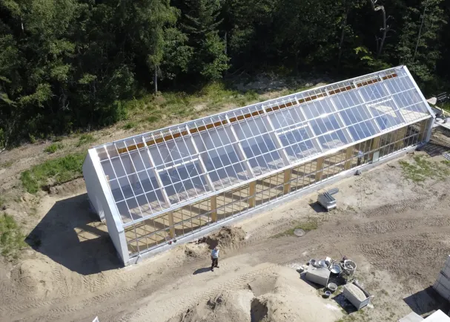
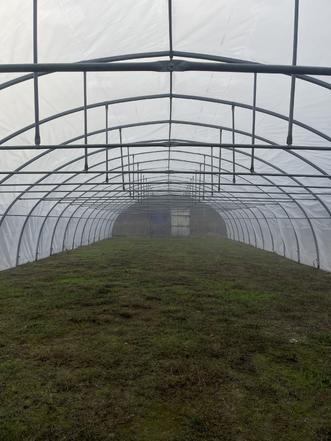
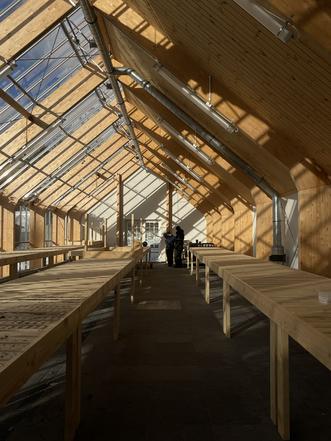
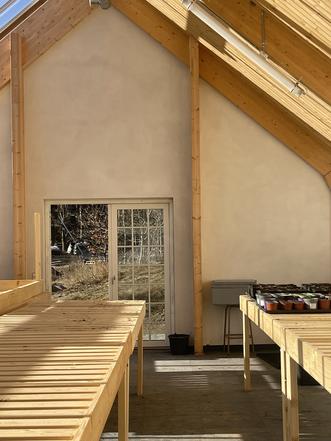
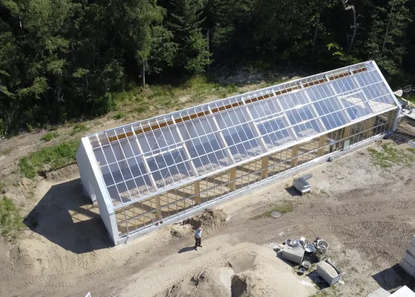
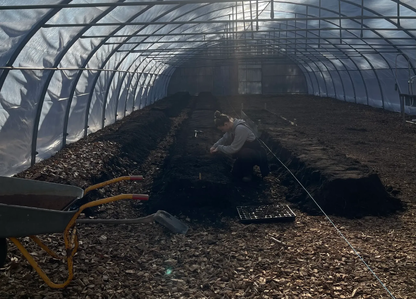
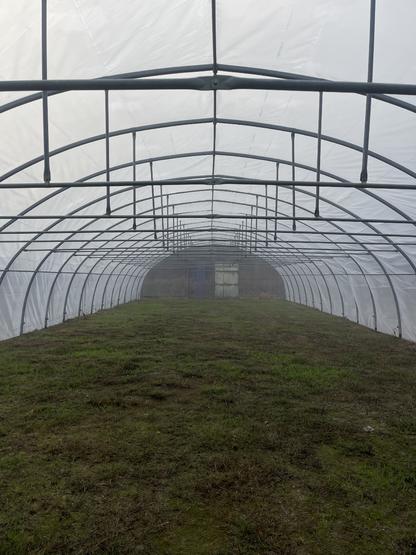
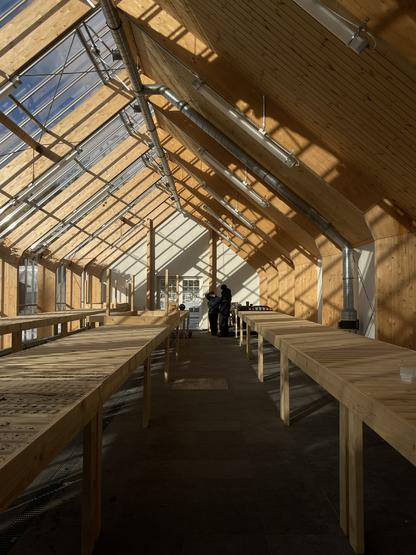
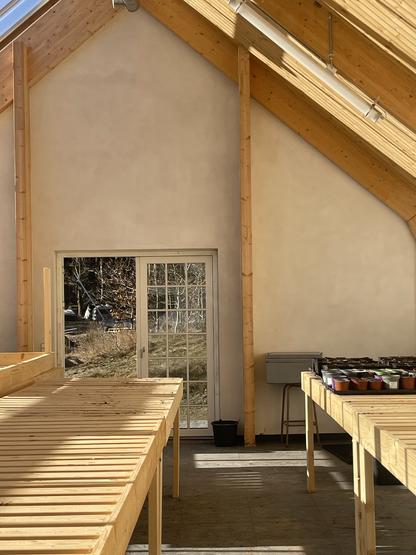
The garden combines greenhouse cultivation, composting and energy systems into one setup, where heat and nutrients from biological processes are reused in food production. Facilities include net zero energy greenhouse, a polytunnel and a closed compost system.
Context
Vegetable production in Denmark has declined significantly, with over 70% now imported, highlighting the need for stronger local production.
At the same time, heat from biological processes such as composting is largely unused.
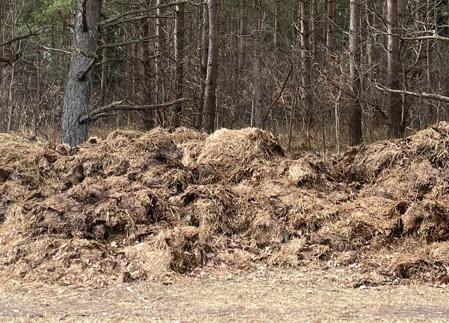
The Research Garden explores how compost, heat and cultivation can be integrated. Heat from composting supports greenhouse production, while nutrients return to the soil. Compost partly comes from livestock kept at the site, forming a circular link between animal and plant systems.
The project aims to reduce environmental impact and strengthen local resilience. It is based on the understanding that soil health, cultivation and food quality are closely connected to human health, with a focus on soil biology and crop diversity as part of a broader ecological and nutritional approach.
Research
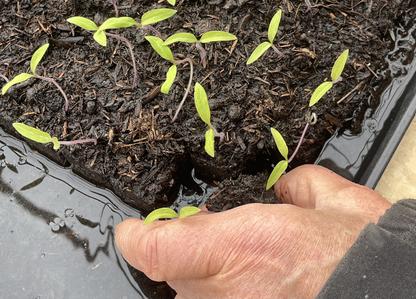
Developing vegetable production systems based on regenerative cultivation principles
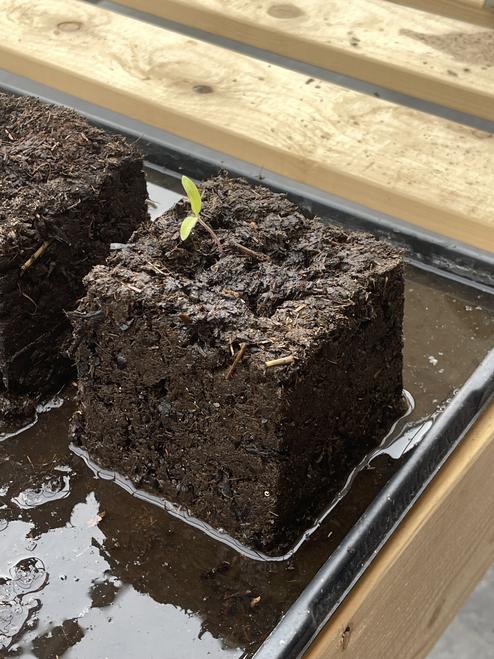
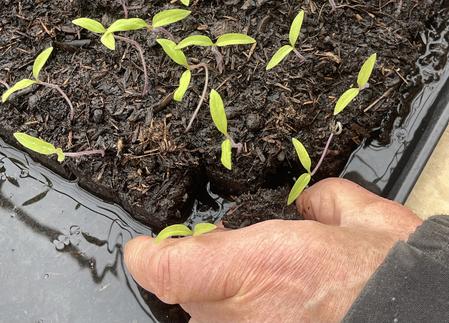
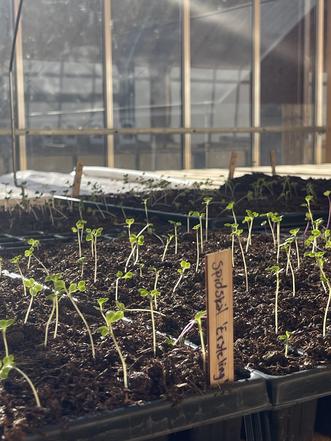
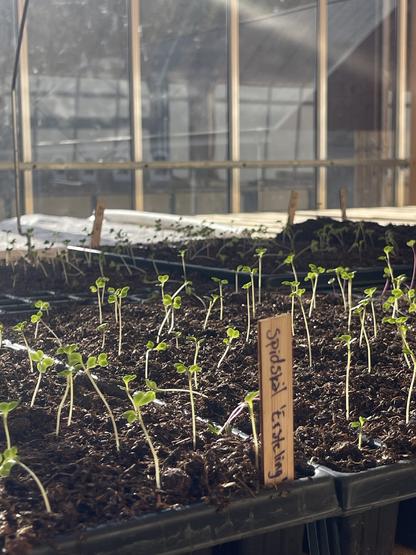
Testing older and diverse vegetable varieties, including seeds from the Svalbard Global Seed Vault
Integrating compost systems with greenhouse cultivation, including the use of compost generated heat
Exploring circular systems that connect energy use, soil health and food production
Documentation and knowledge development
The garden functions as a living experimental environment where cultivation methods, energy flows and crop performance are continuously observed and documented as the system develops.
Partners / Collaborators
Jordbrugets Uddannelsescenter
BUILD – Department of the Built Environment, Aalborg University
Kalø Økologiske Landbrugsskole

Hedeskov Research Garden
Status: in development
Hedeskov Research Garden is an experimental site for testing integrated vegetable cultivation and circular resource use.
The garden combines greenhouse cultivation, composting and energy systems into one setup, where heat and nutrients from biological processes are reused in food production. Facilities include net zero energy greenhouse, a polytunnel and a closed compost system.
Context
Vegetable production in Denmark has declined significantly, with over 70% now imported, highlighting the need for stronger local production.
At the same time, heat from biological processes such as composting is largely unused.
The Research Garden explores how compost, heat and cultivation can be integrated. Heat from composting supports greenhouse production, while nutrients return to the soil. Compost partly comes from livestock kept at the site, forming a circular link between animal and plant systems.
The project aims to reduce environmental impact and strengthen local resilience. It is based on the understanding that soil health, cultivation and food quality are closely connected to human health, with a focus on soil biology and crop diversity as part of a broader ecological and nutritional approach.
Research
Developing vegetable production systems based on regenerative cultivation principles
Testing older and diverse vegetable varieties, including seeds from the Svalbard Global Seed Vault
Integrating compost systems with greenhouse cultivation, including the use of compost generated heat
Exploring circular systems that connect energy use, soil health and food production
Documentation and knowledge development
The garden functions as a living experimental environment where cultivation methods, energy flows and crop performance are continuously observed and documented as the system develops.
Partners / Collaborators
Jordbrugets Uddannelsescenter
BUILD – Department of the Built Environment, Aalborg University
Kalø Økologiske Landbrugsskole

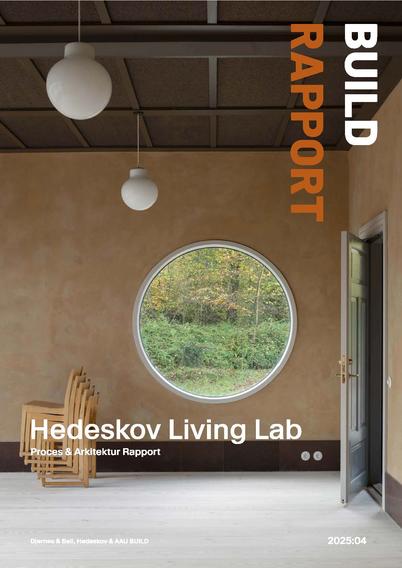
Hedeskov Living Lab - Process & Architecture Report